The Dual Nature of Progress: Balancing Tradition and Change 🚀🏺
In a world that seems to spin faster with each passing day, the juxtaposition of antiquated traditions and rapid technological advancement is as striking as a lone candle flickering amidst the dazzling lights of a bustling metropolis. But is progress truly about leaving the past behind, or is it about finding harmony between the old and the new? 📡⌛
The Timeless Dance of Tradition
Tradition, much like a seasoned oak, stands tall as a guardian of collective memory. These practices, rituals, and customs encapsulate the essence of communities and link generations through an invisible thread of continuity. But as the digital age takes center stage, are these time-honored practices at risk of becoming relics of a bygone era, or do they hold a deeper truth that modernity overlooks?
Consider language, for instance. As new slang permeates global dialects like an expanding digital lexicon, ancient tongues remain steadfast, silently narrating the stories of civilizations long past. Linguistic purists might argue that these old tongues are like butterflies, fragile yet invaluable relics in the meadow of culture.
Innovation: The Unyielding Catalyst
Conversely, innovation is the audacious architect of change, relentlessly challenging norms and redrawing the boundaries of possibility. It’s the relentless wave carving its path through centuries, reshaping landscapes with both grace and destruction. While innovation creates opportunity, it almost comically disregards the whispering shadows of the past.
A recent report from the Pew Research Center illustrates the impact of technology on society’s progress: while over 85% of respondents believe innovation has improved living standards, a similar percentage express concern about its potential to erode traditional values. This paradox reflects the complex duality of progress—an exhilarating promise accompanied by unintended consequences.
The Intersection: Where Innovation Meets Tradition
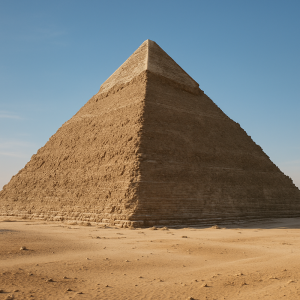
In several arenas, the dance between tradition and innovation creates a rhythm that’s as unpredictable as a waltz on an unsteady floor. One such area is architecture, where modern skyscrapers rise in cities that have stood for millennia. These towering glass monoliths audaciously coexist with venerable cathedrals and historic landmarks, creating an anachronistic skyline that blurs the line between heritage and modernity.
- In culinary arts: Chefs blend ancient techniques with modern cuisine, crafting dishes that pay homage to both past and present.
- In education: Innovative tools enhance traditional learning, merging chalkboards with digital tablets in a harmonious, albeit sometimes discordant, classroom symphony.
- In society: Social activism embraces digital platforms while drawing on age-old principles of justice and equality.
So, can we craft a future that honors the wisdom of the past while embracing the promise of tomorrow?
The Path Forward: Embracing Paradox
The answer lies not in the dichotomy of choosing one path over the other but in the synthesis of both. Progress should not mean obliterating tradition but rather weaving it into the vibrant tapestry of future endeavors, much like an intricate mosaic where each piece, ancient or new, contributes to the whole.
As technology advances, it should strive to illuminate the timeworn wisdom of our traditions, allowing them to persist in unexpected forms. 💡 Much like a river that sculpts its banks, innovation can carve channels through which the essence of tradition may flow anew, sustenance for future generations.
Ultimately, the art of balancing tradition with change is akin to mastering a delicate symphony. As we progress, the challenge lies in composing a harmonious blend that not only acknowledges the past but embraces it as an indispensable component of the present and future. The dual nature of progress offers both a cautionary tale and a hopeful blueprint, inviting us to question, adapt, and evolve without forgetting the rich history that brought us here. 🌍🌱